Tenant improvements (ZAV): what can you change in your rental home?
2 min readBy the RentBolt editorial teamUpdated onWanting to make your rental home your own is understandable, especially if you live there for years. But it is not your house. Some changes require permission, and when you leave the landlord can demand that you restore everything to its original state. Here is how to avoid surprises.
What is a ZAV?
A tenant improvement (zelf aangebrachte voorziening, ZAV) is any change or addition you as a tenant make to the home. Think of a new floor, kitchen, bathroom, dormer, awning, extra power sockets or removing a wall.
What is allowed without permission?
| Change | Permission needed? |
|---|---|
| Painting walls, drilling holes, curtain rails | No, but you may have to restore it when you leave |
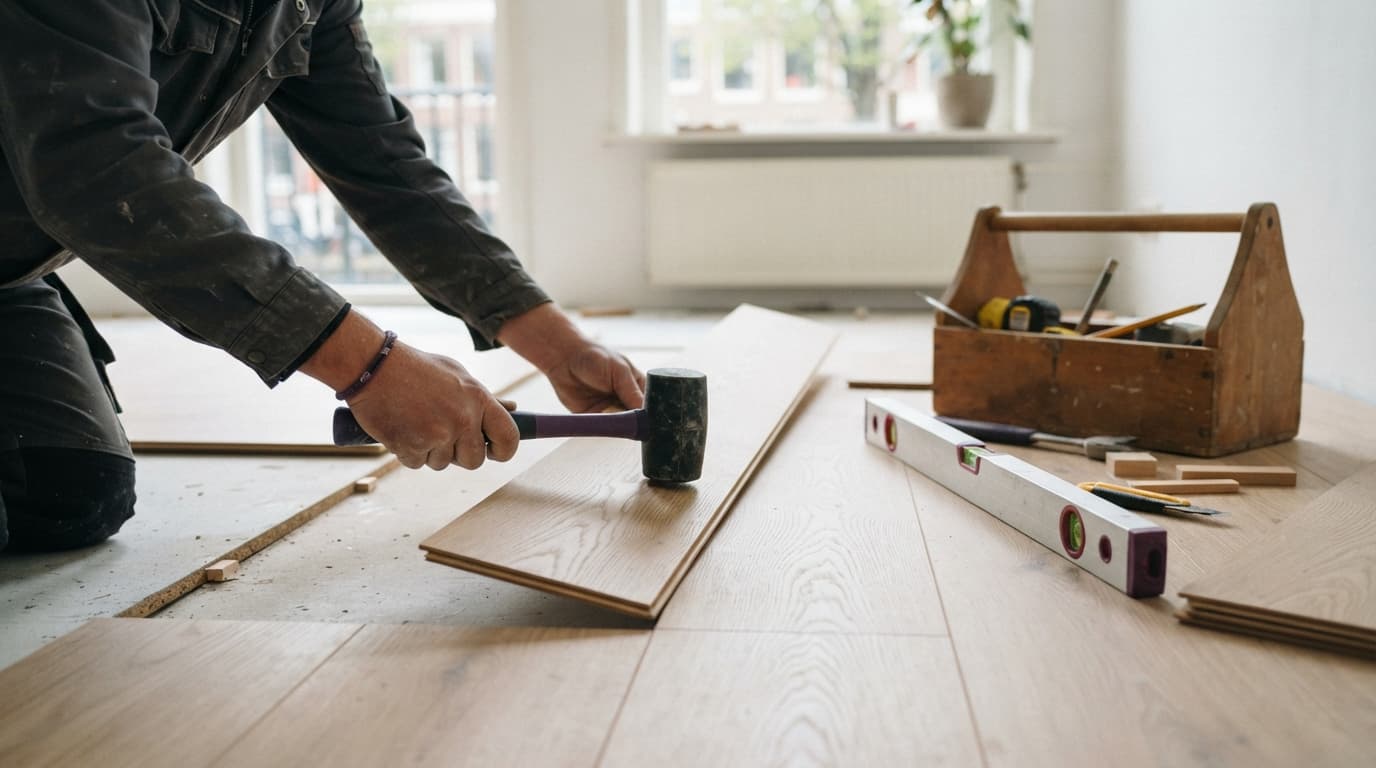
| Floating laminate or vinyl floor | Usually not |
| New kitchen or bathroom | Yes |
| Removing or adding a wall | Yes |
| Changes to the exterior, such as an awning or solar panels | Yes |
| Changes to gas, electrics or drains | Yes, and have a professional do it |
The law draws the line like this: changes that you can undo without significant cost when you leave may be made without permission. All other changes require written permission. More about small jobs in painting, drilling and renovating in your rental home.
How to ask for permission
- Describe in writing what you want to change, with a drawing, materials and who will do the work.
- At the same time, ask what should happen when you leave: remove it, leave it or transfer it.
- Ask whether you will be compensated if you leave the improvement behind.
- Only start once you have the permission in writing.
Housing associations often have their own ZAV policy with lists of what is and is not allowed, and sometimes a fixed compensation when you leave. Ask about it.
When you leave: remove or leave in place?
Unless agreed otherwise, the landlord may require you to return the home in the condition in which you received it. If you made a change without permission, you may also be liable for the cost of restoring it. The inspection report from the start of your tenancy shows the original condition. Also read handing over your rental home.
Do you get compensation?
There is no legal obligation to pay a fixed compensation. If, with permission, you leave behind a valuable improvement that genuinely benefits the landlord, such as a new kitchen, you can in some cases ask for reasonable compensation. The easiest way is to put that on paper in advance, together with the permission.
Frequently asked questions
Do I need permission for a new floor?
For a floating laminate or vinyl floor that you can easily remove when you leave, usually not. For a glued or tiled floor you do, because it cannot be undone without significant cost. Also check any rules of the owners’ association (VvE) on sound insulation.
Can the landlord simply refuse my request for a change?
Not always. If the change is needed for efficient use of the home and does not harm its lettability, the landlord should generally give permission. If they refuse unjustly, you can ask the subdistrict court for authorisation.
Can I transfer my floor or kitchen to the next tenant?
Yes, if the landlord agrees. Record that the new tenant takes over the improvement, including any obligation to remove it when they leave.
Search rental homes in the top cities
See the current listings and set up rental alerts for popular cities in the Netherlands:
Read also
Ready to start searching?
RentBolt searches the listings of 500+ letting agents across the Netherlands in one overview, and alerts you as soon as something that suits you becomes available.